










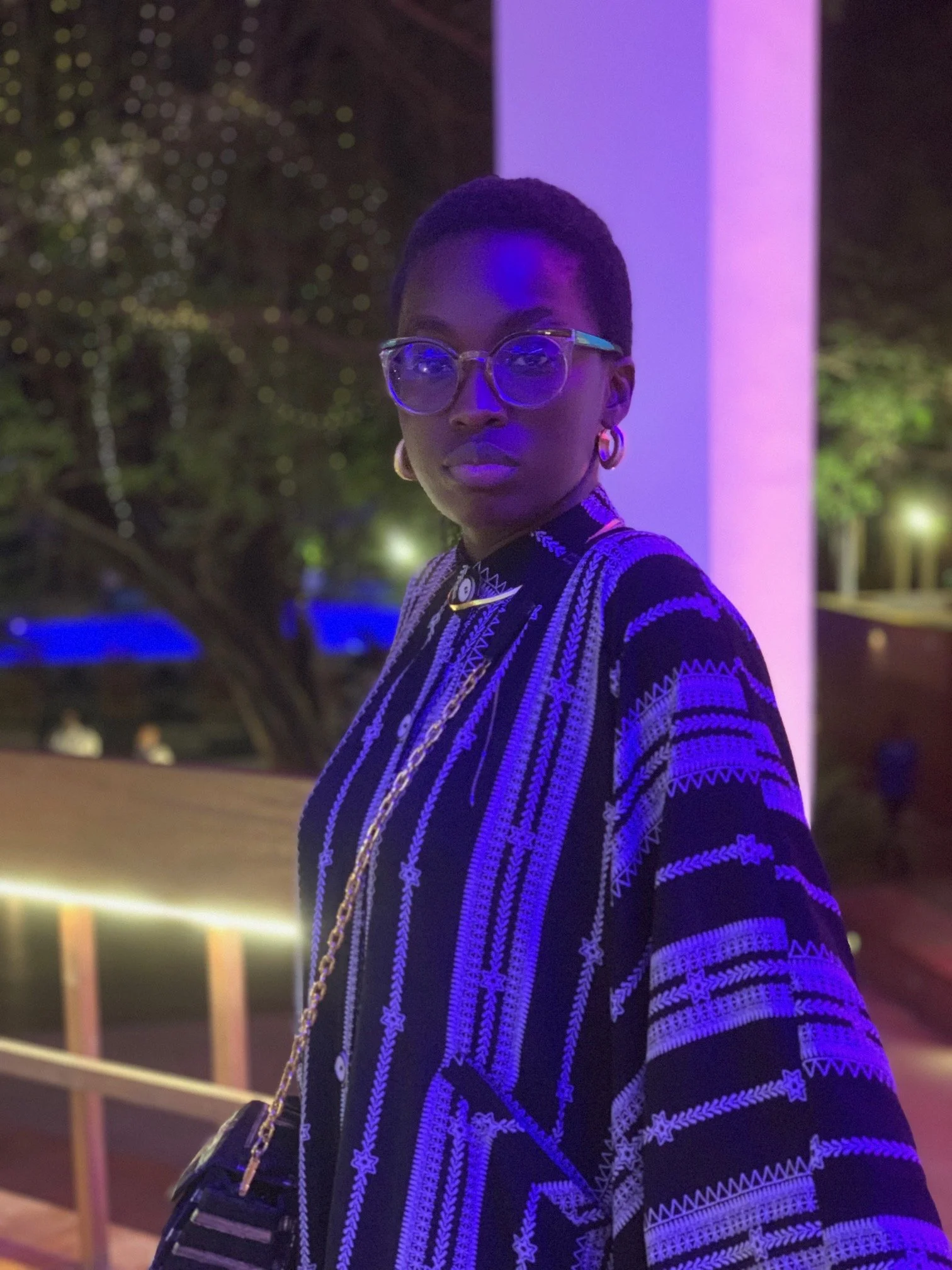


To launch our Afrifems In Action series, Umba Zalira, a young feminist from Malawi, answers ten questions about #TakeItToTheStreetsMalawi, an initiative that mobilizes Malawian feminists to march together against gender-based violence.

Meet Jama Jack, feminist leader, blogger and communications expert from The Gambia. For our Afrifem In Action series, Jama answers ten questions about MÉBÉT, a movie based on the story she wrote eight years ago to condemn child marriage.


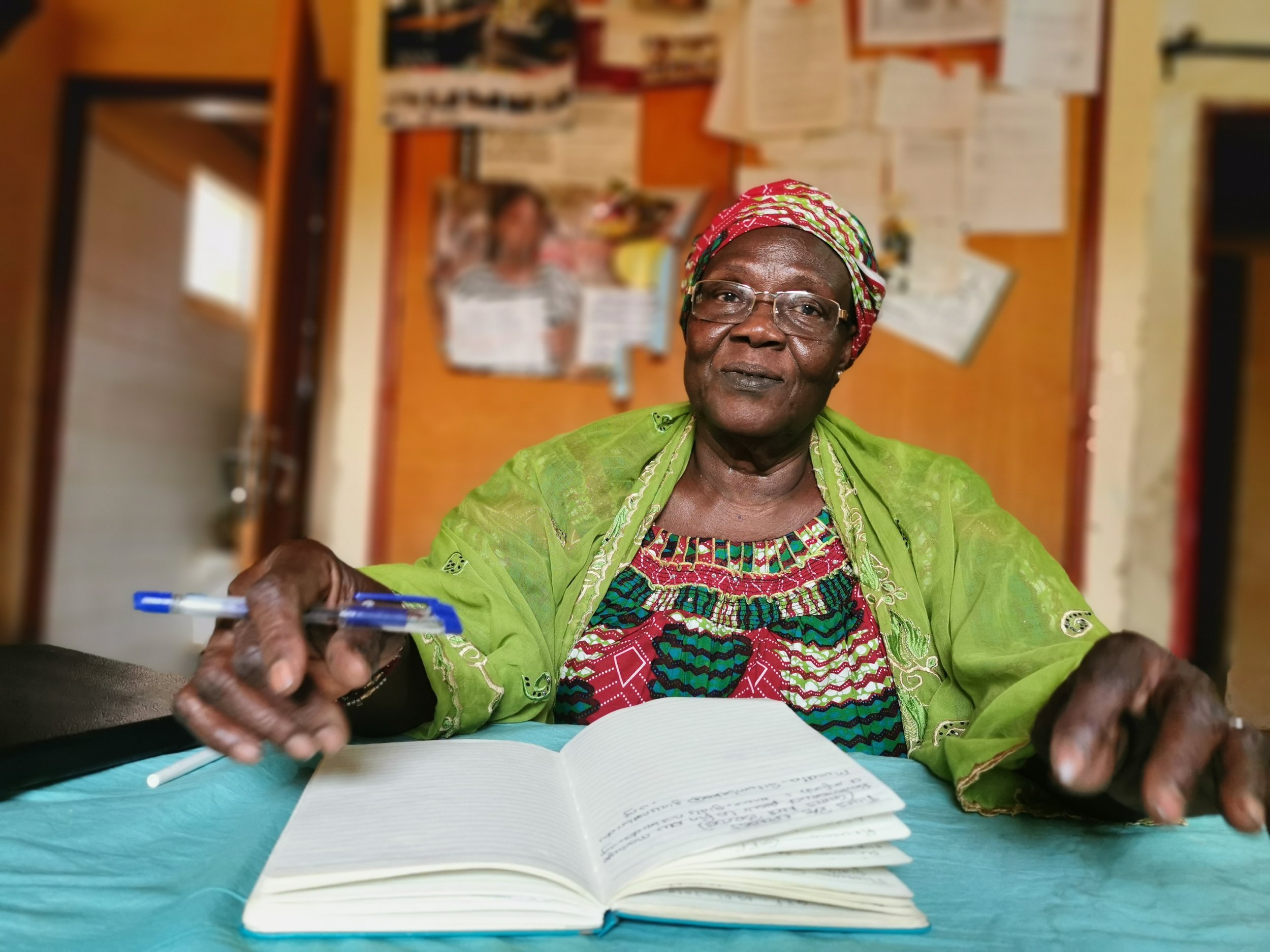
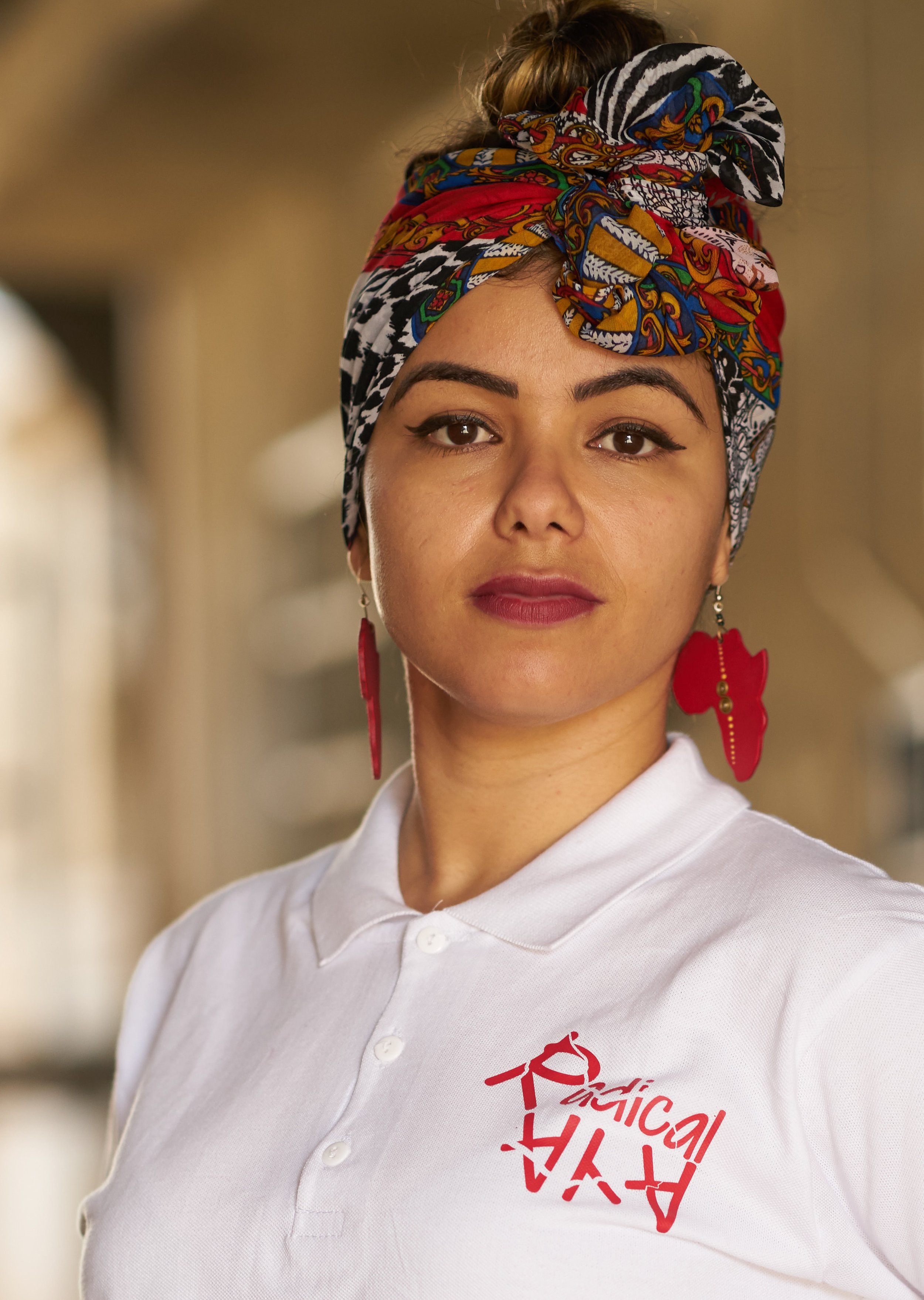

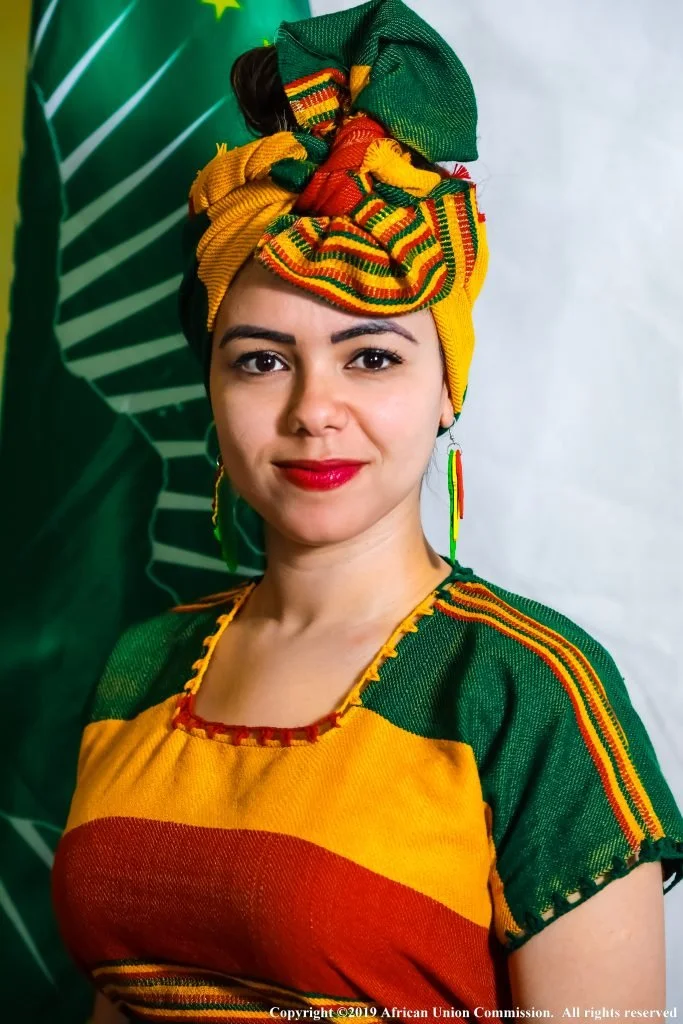

Kavinya Makau is a human rights lawyer, “and a feminist one at that”. Read this interview to find out how she came to own the feminist label and why she wears it so proudly.

Kavinya Makau, a feminist human rights lawyer from Kenya, tells me what feminism means to her and how she’s dealt with her loved ones’ concerns about her feminist work.

My interview with Kenyan feminist Kavinya Makau ends with brilliant advice from her about impostor’s syndrome and selfcare. Don’t miss it!

Meet Jean Kemitare, a Ugandan feminist who has dedicated her career to building a stronger women’s rights movement in Africa. Here, she tells me about how her childhood and family defined her feminist journey.

Ugandan feminist Jean Kemitare tells me about her work to prevent violence against women and strengthen African feminist movements.

Jean Kemitare, a feminist from Uganda, tells me about her work to prevent violence against women and strengthen feminist movements in Africa.

How do you raise children in a feminist way? Ugandan feminist Jean Kemitare shares her thoughts. Not your typical feminist parenting advice!

An inspiring conversation with Dr. Tlaleng Mofokeng, a South African medical doctor who has dedicated her career not only to advocating for reproductive justice for women and children everywhere. Here, Dr. T., as she is affectionately known, tells me why and how she became an activist.

What makes Dr. T.’s voice so unique? South African doctor and reproductive justice advocate Dr. Tlaleng Mofokeng tells me she never apologizes for who she is - instead, she “enhances” her Blackness and womanhood whenever she deems it necessary.

I’m talking with Dr. T., a medical doctor and reproductive justice advocate from South Africa, about her book entitled Dr T. A Guide to Sexual Health and Pleasure. Join us for a fascinating discussion about virginity, a pleasure-centered approach to practicing medicine, and what she calls the real problem with sex work.

In the last part of our conversation, Dr. Tlaleng Mofokeng, a medical doctor and reproductive justice advocate from South Africa, tells me what feminism means to her.

I am in conversation with Stephanie Kimou, an American and Ivorian women’s rights activists who is carving out space for Black women to be decision-makers, not just beneficiaries, within the international development sector.

Ivorian-American activist Stephanie Kimou tells me about the highs and lows of her early career in the international development sector. She explains what led her to dedicate her career to changing the system she was once a part of.

When Ivorian-American activist Stephanie Kimou told me about her powerful mission to make international development a more inclusive sector for Black women, I wanted to know about the personal journey that led her there.

I’m asking Stephanie Kimou, an Ivorian-American activist, what she means when she calls herself a feminist. Spoiler: she doesn’t!

I’m still in conversation with Rwandan activist Dinah Musindarwezo. Here, she brilliantly answers some of the toughest questions I’ve asked myself as a professional. Like, what’s the point of spending so much energy at the African Union or United Nations when African women’s lives are so remote from those spaces?

Rwandan women’s rights advocate Dinah Musindarwezo goes personal and opens up about what it means to live a feminist life at home. She tells me about the joys and the challenges of practicing her feminist values in her marriage and as a mother.

Rwandan advocate Dinah Musindarwezo shares the story of when she had to paid a high price for standing up to patriarchy. All I wanted to know was: was it worth it in the end? Her answer is inspiring.

Meet Dinah Musindarwezo, a Rwandan feminist who has dedicated her career to advocating for better policies for African women. In this first part of our conversation, she tells me her feminist journey started when she was a little girl questioning the injustices she would observe at home every day.

Who better than a blogger to talk to me about the joys and struggles of online feminist activism? Here I speak with Aïchatou Ouattara, founder of Francophone blog Afrofeminista, about her practical tips for surviving the madhouse that is social media.

Aïchatou, a Belgium-based activist and blogger, calls on Afro-feminists to draw inspiration from the great feminist figures in African history, and not just from American Black feminism.

I’m in conversation with Aïchatou Ouattara, a Brussels-based feminist blogger of Ivorian and Senegalese descent. Here, she tells me what Afro-feminism mean to her, and how she practices feminist sisterhood.

Aïchatou Ouattara is a Belgian feminist blogger from Senegal and Cote d’Ivoire. She is the brain behind Afrofeminista, one of the most-read Francophone blogs on the lives of African women living in Europe and in Africa. And she’s a joy to speak with!

In part 3, I speak to Nebila about a mutual passion of ours: books and all things creative.

In part 2 of this interview with Nebila, we cover the thorny topic of religion and feminism and the misconceptions that surround it.

In eyala’s inaugural interview, I speak to my dear friend and kick-ass feminist Nebila Abdulmelik about her path towards activism.

To close our conversation I asked Laila to share her thoughts on the overall situation of women in Morocco. She did not mince her words!

In this third part of our interview, Laila tells me what she believes has made Masaktach so successful. She shares priceless advice that is relevant for feminist activists all over Africa and beyond.

Laila tells me about the campaign that propelled Masaktach on the national and global maps: whistles against street harassment! Click below to join the conversation.

Moroccan feminist Laila Slassi was sick and tired of the way sexual violence survivors were portrayed in the media. Turning her outrage into action, she co-founded Masaktach to speak out against rape culture in Morocco.

In the final part of our conversation, Diakhoumba opens up about the personal wounds that have made her a stronger activist.

In part 2 of our conversation, Diakhoumba tells me about staying true to her principles and speaking truth to power.

A conversation with Diakhoumba Gassama, an ebullient feminist from Senegal who holds truth as a cardinal value. In this first part she tells me what feminism means to her.

As our conversation draws to a close, Rachel-Diane explains how she integrates sisterhood in all aspects of her life, why she writes and who is her role model.

In the second part of our interview, Cameroonian fashion entrepreneur Rachel-Diane Cusiac-Barr tells me how she blends her vision of womanhood and fashion in her designs.

Meet Rachel-Diane Cusiac-Barr, a Cameroonian fashion entrepreneur who thinks being a feminist is a no-brainer. In this first part of our conversation, she explains why, to her, feminism is all about choice.

A few months ago, popular protests erupted in the streets of Algeria, leading President Bouteflika to resign after a twenty-year rule. Faten Aggad, an Algerian feminist and governance expert, share her insights on the current situation in her country.

A governance and development expert from Algeria, Faten Aggad tells me how her feminist values come into play as she lives her everyday life: at work, at home, and when she’s traveling the world.

I am in conversation with Faten Aggad, a governance and development expert from Algeria. I asked her what feminism meant to her, and it led to a beautiful conversation about short skirts, rainbows, and that time when she put her foot in her feminist mouth.

Faten Aggad is an Algerian governance and development expert who works to strengthen the pan-African institutions she believes in. Here, we speak about identity: how she came to embrace her identity as an African, and how debates about identity are shaking up Algeria and North Africa as a whole.